Classroom Future
All Articles
Research-backed insights for teachers and school leaders who take their craft seriously.

7 Questions Teachers Should Answer Before Writing the Lesson Planning Format
A strong lesson plan begins long before a teacher fills in objectives, activities, resources and assessment boxes. Modern lesson planning starts by predicting learning: what students need to know, where they may struggle, what they must think about and what evidence will show that teaching has worked.

Why Teachers Freeze When Speaking to Parents
Some teachers can command a classroom confidently yet struggle to explain themselves when a parent asks a difficult question. The problem may not be a lack of confidence at all, but a set of communication skills that were never deliberately taught.
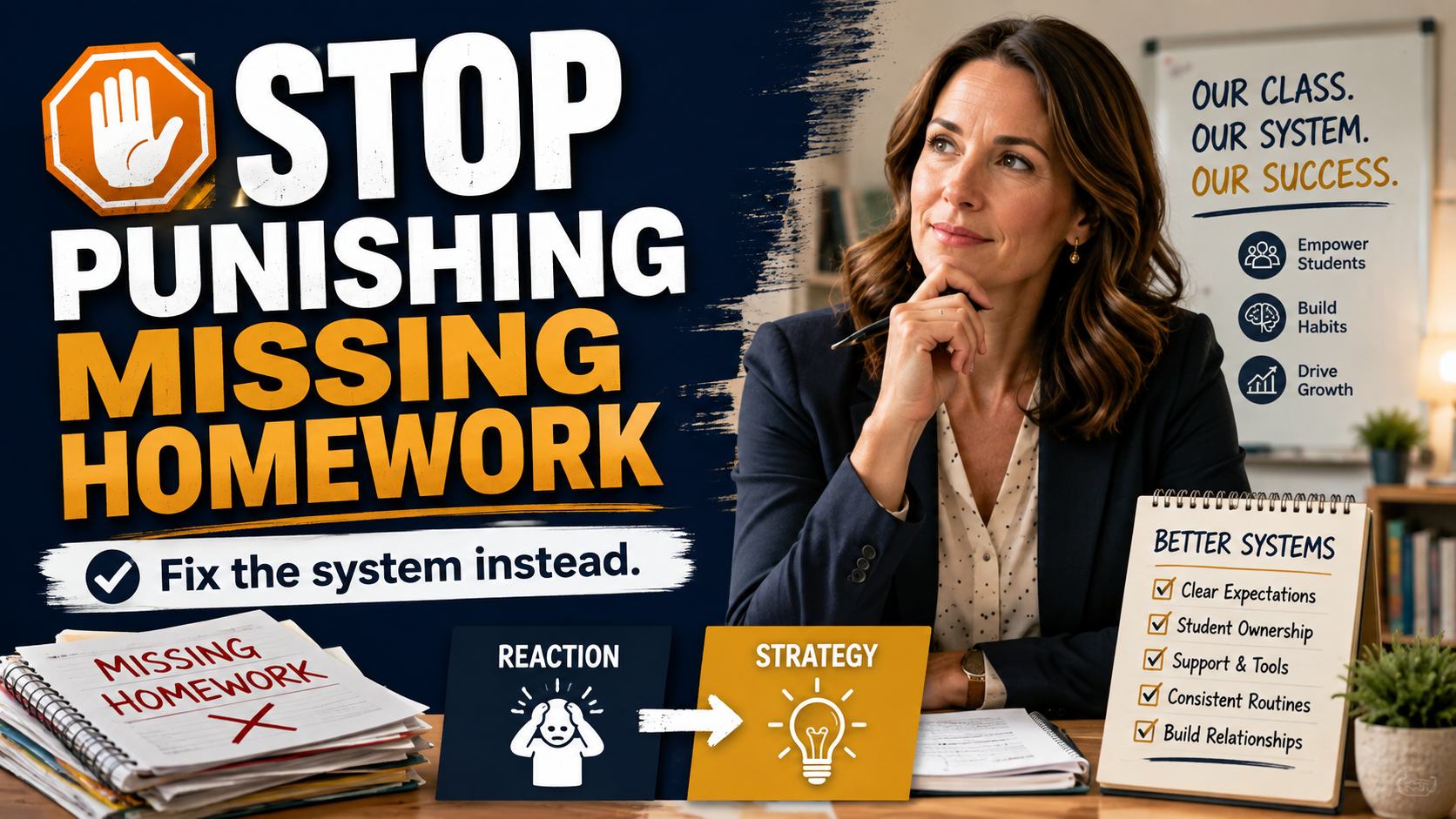
How Teachers Should Handle Students Who Repeatedly Do Not Complete Homework
When students repeatedly return to school without completing homework, the easiest response is punishment. But unfinished homework can come from very different problems: confusion, poor routines, weak task design, avoidance, missing materials or simple refusal. Strong teachers do more than react. They diagnose the cause, create predictable completion systems and teach students how to manage academic responsibility without turning homework into a weekly battle.

Teacher Bullying: How to Handle Workplace Disrespect
Teachers can experience disrespect from administrators, parents, students and even colleagues, yet many remain silent because they fear being labelled difficult or unprofessional. I learned that protecting my dignity did not require becoming aggressive; it required boundaries, documentation, emotional control and knowing when an environment was no longer worth enduring.

The Psychology Behind Classroom Power Struggles and How to Defuse Them
Classroom power struggles are rarely about one stubborn student and one strict teacher. They usually begin when a student feels cornered, a teacher feels challenged, and the whole class starts watching who will win.

The Classroom Psychology I Wish I Had Known Earlier
Many teachers misread students because classroom behaviour often looks like laziness, disrespect, or defiance before we understand the psychology underneath it. The shift begins when we stop asking, “What is wrong with this child?” and start asking, “What is this behaviour trying to protect?”
I Spent 10 Years Planning Lessons the Wrong Way. Here Is What Actually Works in Modern Lesson Planning
Many teachers are still planning lessons as if attention, behaviour, and learning work the same way they did ten years ago. Modern lesson planning now demands stronger structure, sharper transitions, active thinking, and classroom systems that reduce teacher exhaustion.

What the World Would Look Like If Schools Were Designed by Teachers, Not Politicians
Schools would look radically different if the people who understand learning were allowed to design the systems around it. Teachers would not build softer schools; they would build smarter ones.
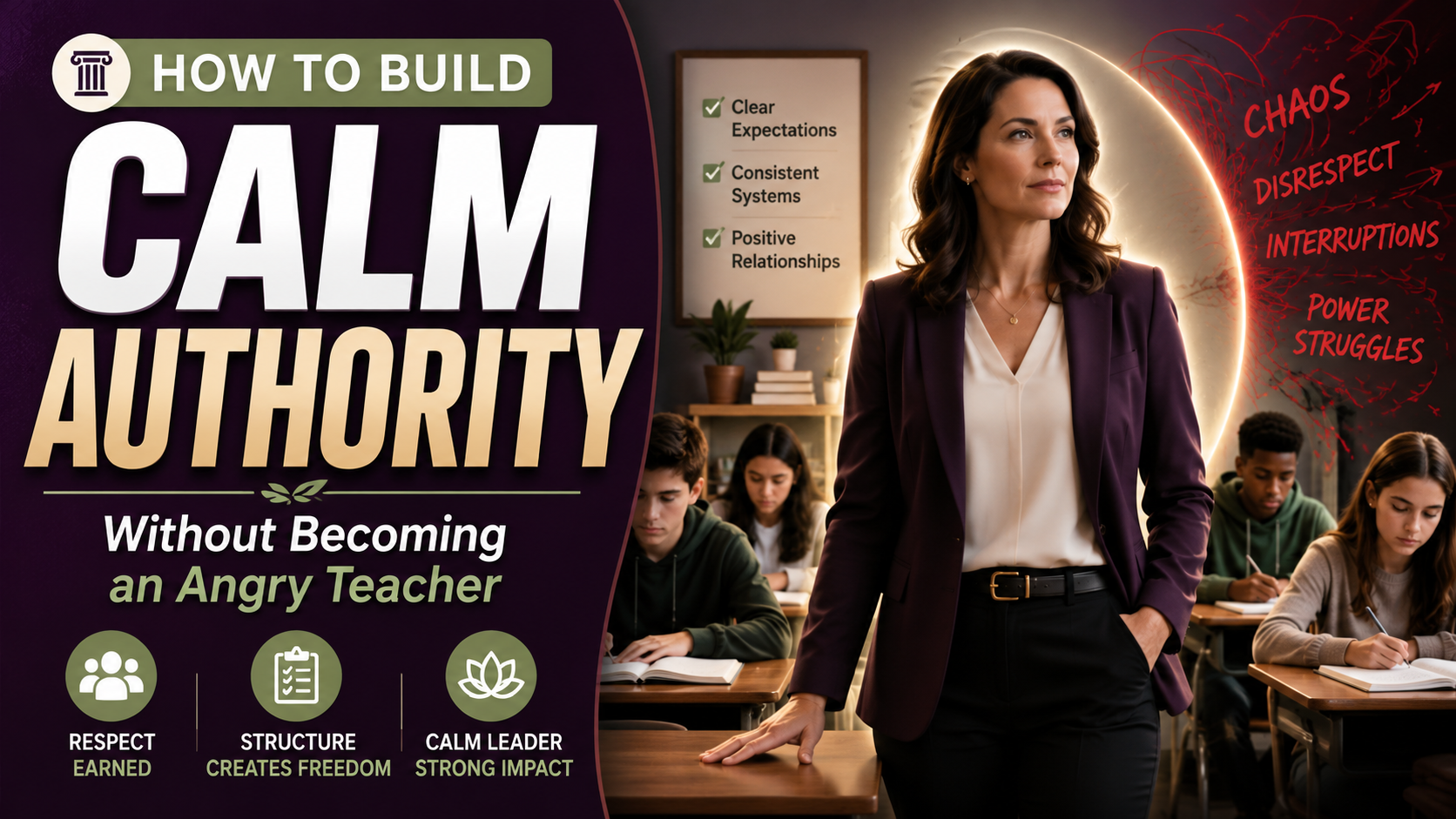
How to Build Calm Authority Without Becoming an Angry Teacher
Calm authority is not about being soft, silent, or endlessly patient; it is about building classroom systems that make your leadership predictable. When teachers rely less on anger and more on structure, students know where the lesson is going, what behaviour is expected, and what happens next.

AI for Teachers: What It Can Help With and What It Cannot Replace
AI can help teachers plan faster, organise ideas, adapt resources, and reduce repetitive workload. But it cannot replace professional judgement, classroom presence, emotional intelligence, or the human reading of students in real time.
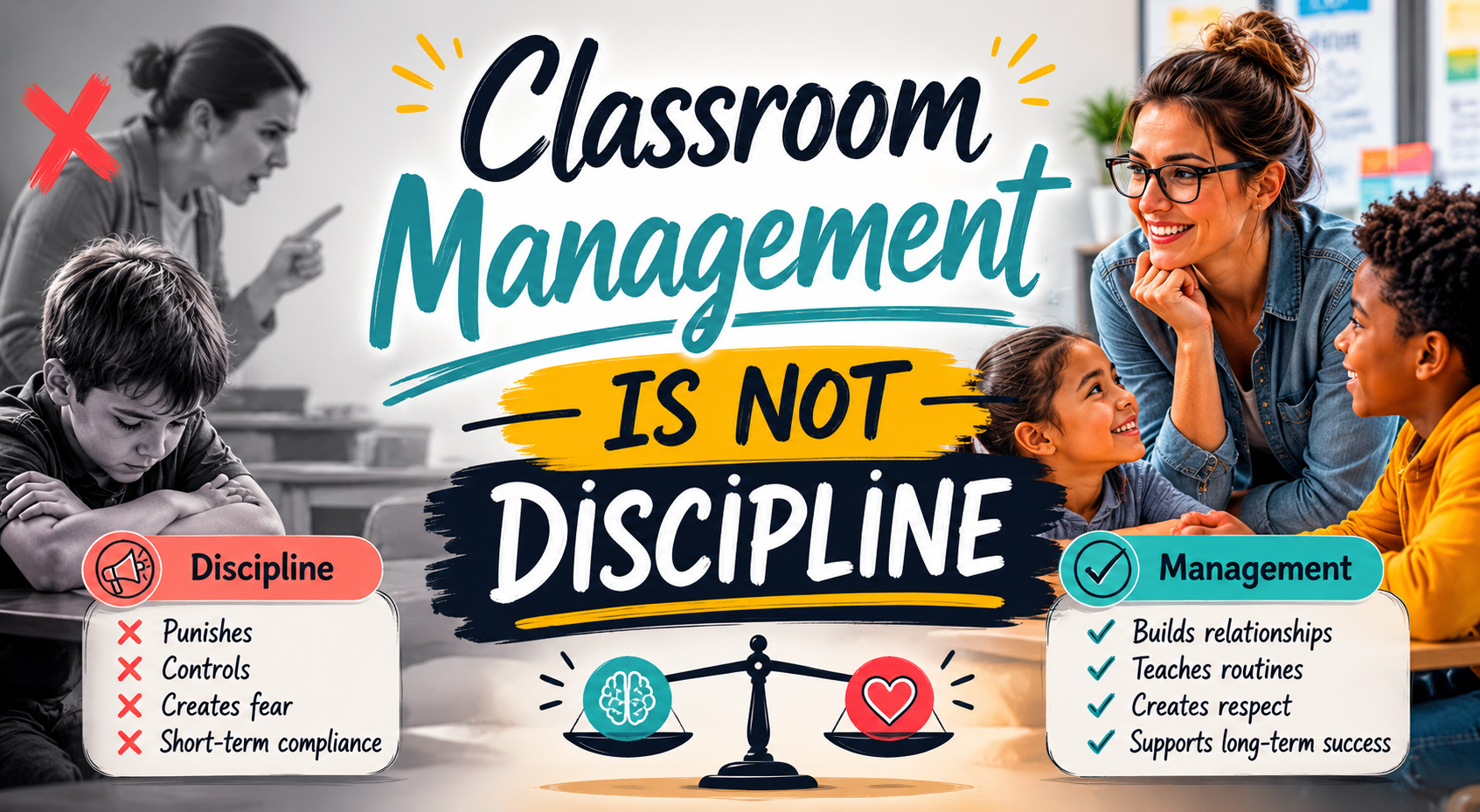
Classroom Management Is Not Discipline: It Is a System
Many teachers lose classroom authority because they treat behaviour as a series of interruptions instead of a predictable system problem. Strong classroom management begins before misbehaviour appears, in the routines, signals, lesson flow, and expectations students experience every day.
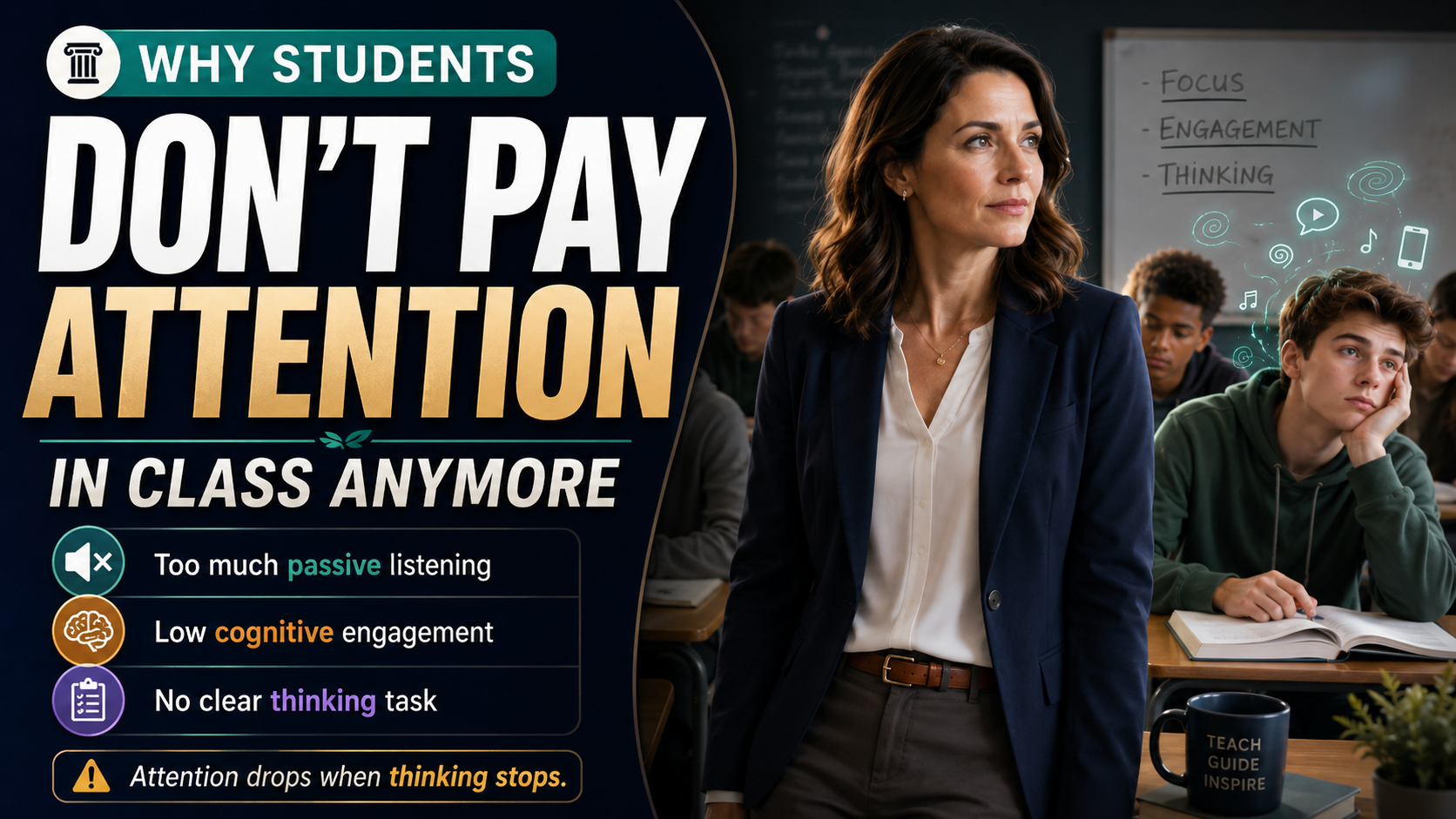
Why Students Don't Pay Attention in Class Anymore
Students are not simply becoming careless, lazy, or impossible to teach. Many classrooms are asking modern brains to sit through lessons that were designed for a slower, less interrupted world.
What Is Lesson Architecture? A Practical Guide for Modern Teachers
Most struggling lessons are not failing because the teacher is lazy; they are failing because the learning journey was not properly built. Lesson architecture helps teachers design lessons that move students from attention to understanding, not just from one classroom activity to another.